Simple Skincare Routine for Oily Skin
If you’ve got oily or oily-combination skin, you don’t need a 10-step routine. This simple skincare routine for oily skin focuses on the basics: cleanse, hydrate, and protect. A gel or foaming cleanser, a lightweight moisturiser, and a mattifying SPF are non-negotiable. Add in a serum (like niacinamide or vitamin C) and an exfoliant (like salicylic acid) a few times a week for best results.
TL;DR: The ideal oily skin care routine for beginners is:
Cleanser → Exfoliating toner (2–3 nights a week) → Targeted serum → Lightweight moisturiser → Oil-free SPF. Add a weekly clay mask for extra balance.
The Challenges of Oily Skin
If you’re battling oily skin, you’ll know the struggles:
- Shine creeping in by mid-morning
- Makeup sliding off before lunch
- Pores looking more noticeable than you’d like
- Breakouts that flare up out of nowhere
The key to managing oily skin isn’t to strip it bare; it’s to bring it into balance. Let’s break down a simple routine that covers the essentials without overwhelming you.
Step 1: Gel or Foaming Cleanser

Every good skincare routine starts with a gentle cleanse. For oily and combination skin, the goal is to remove excess oil and impurities without stripping your skin. Harsh cleansers can backfire and cause rebound oiliness.
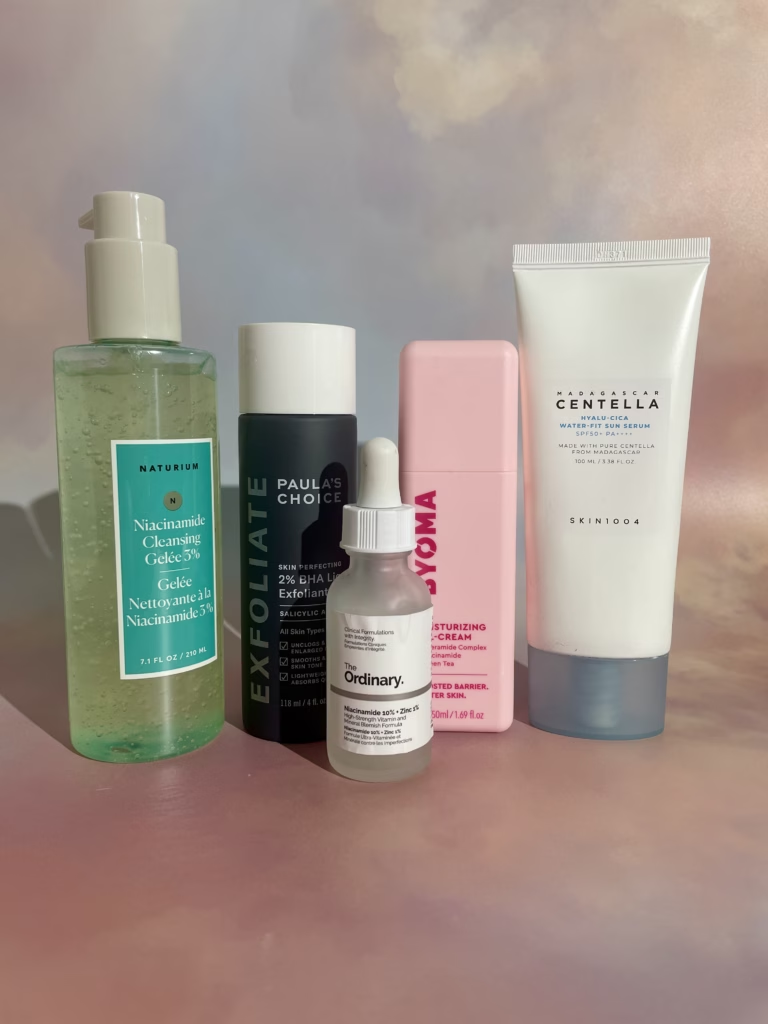
Look for gel or foaming cleansers with ingredients like salicylic acid or niacinamide to help manage oil and keep pores clear. Naturium Niacinamide Cleansing Gelee 3% is one of my favourites for a deep clean without stripping the skin.
If you wear makeup or sunscreen, try double cleansing at night. Start with a balm or micellar water, then follow up with your gel or foaming cleanser.
👉 Need more recommendations? Check out my full guide to the Ultimate Cleansers to Remove Makeup.
Step 2: Exfoliating Toner

Exfoliating toners are game-changers for oily and combination skin. They work by dissolving buildup inside your pores, preventing congestion and smoothing rough texture.
Key ingredients to look for:
- BHA (salicylic acid): Penetrates into pores to reduce blockages.
- AHA (glycolic or lactic acid): Smooths and brightens skin.
Beginner tip: If you’re new to acids, start once a week, patch-test first, and build up to 2–3 nights per week. Daily exfoliation can cause irritation.
👉 Want product ideas? Check out my full roundup of Exfoliating Acid Toners for Oily/Combination Skin.
Step 3: Serum (Targeted Treatment)

Once your pores are clear, it’s time to customise your routine with a serum. Think of serums as your “treatment step”: lightweight but packed with active ingredients.
Top serums for oily skin:
- Niacinamide – Regulates oil production, minimises pores, calms redness. (AM or PM)
- Vitamin C – Protects against environmental damage and brightens dull skin. (Best in AM with SPF)
- Salicylic acid – Clears out pores and helps prevent breakouts. (Best in PM)
Tip: Stick to one active serum at a time. Layering too many can cause irritation.
Recommended serums:
- La Roche-Posay Effaclar Serum
- Byoma Clarifying Serum
- The Ordinary Niacinamide 10% + Zinc 1%
- The Inkey List 15% Vitamin C & EGF Serum
Step 4: Lightweight Moisturiser

One of the biggest mistakes people with oily skin make? Skipping moisturiser. Without hydration, your skin overcompensates by producing more oil.
Look for oil-free, gel-based, or lightweight lotions with hydrating ingredients like hyaluronic acid or glycerin.
👉 Explore my full guide to the Best Moisturisers for Oily Skin for top recommendations.
Step 5: SPF

Daily sunscreen is non-negotiable. Even oily skin needs protection from UV damage, which can make breakouts, pigmentation, and excess oil worse over time.
The trick is to find a texture you don’t dread applying.
Look for gel or fluid sunscreens that feel weightless, absorb quickly, and sit well under makeup.
👉 My top pick right now? Read my Skin1004 Sun Serum Review.
Optional: Clay Masks
Clay masks can be a great weekly reset for oily skin. They absorb excess oil, unclog pores, and give skin a clean-slate feeling.
Once a week is enough, as you don’t want to dry out your skin.
👉 Need ideas? Explore my guide to the Best Face Masks for a Sunday Reset.
Example Routine for Oily Skin
| Morning | Evening | Weekly |
|---|---|---|
| Gel/foaming cleanser | Gel/foaming cleanser | Clay mask (swap for toner) |
| (Optional) Niacinamide or Vitamin C serum | Exfoliating toner (2–3 nights per week) | |
| Lightweight moisturiser | Niacinamide or Salicylic acid serum | |
| Oil-free SPF | Lightweight moisturiser |
Common Mistakes to Avoid
- Over-cleansing → Strips skin, leading to rebound oiliness.
- Skipping moisturiser → Causes dehydration and extra sebum production.
- Layering too many actives → Can trigger irritation and breakouts.
- Using heavy creams → Likely to clog pores and worsen shine.
- Over-exfoliating → Daily acids + retinol can cause serious irritation.
If oily skin feels harder to manage than it used to, building a skincare routine in your 30s often means focusing on balance rather than stripping the skin.
FAQs About Oily Skin
Not entirely; light oils like squalane can actually balance sebum production, but stick to gels and lotions for everyday hydration.
Yes, if you wear makeup or SPF. Start with a balm or micellar water, then follow up with your gel cleanser.
Absolutely. Retinol helps regulate oil and prevent clogged pores, but start slowly and always pair with hydration.